
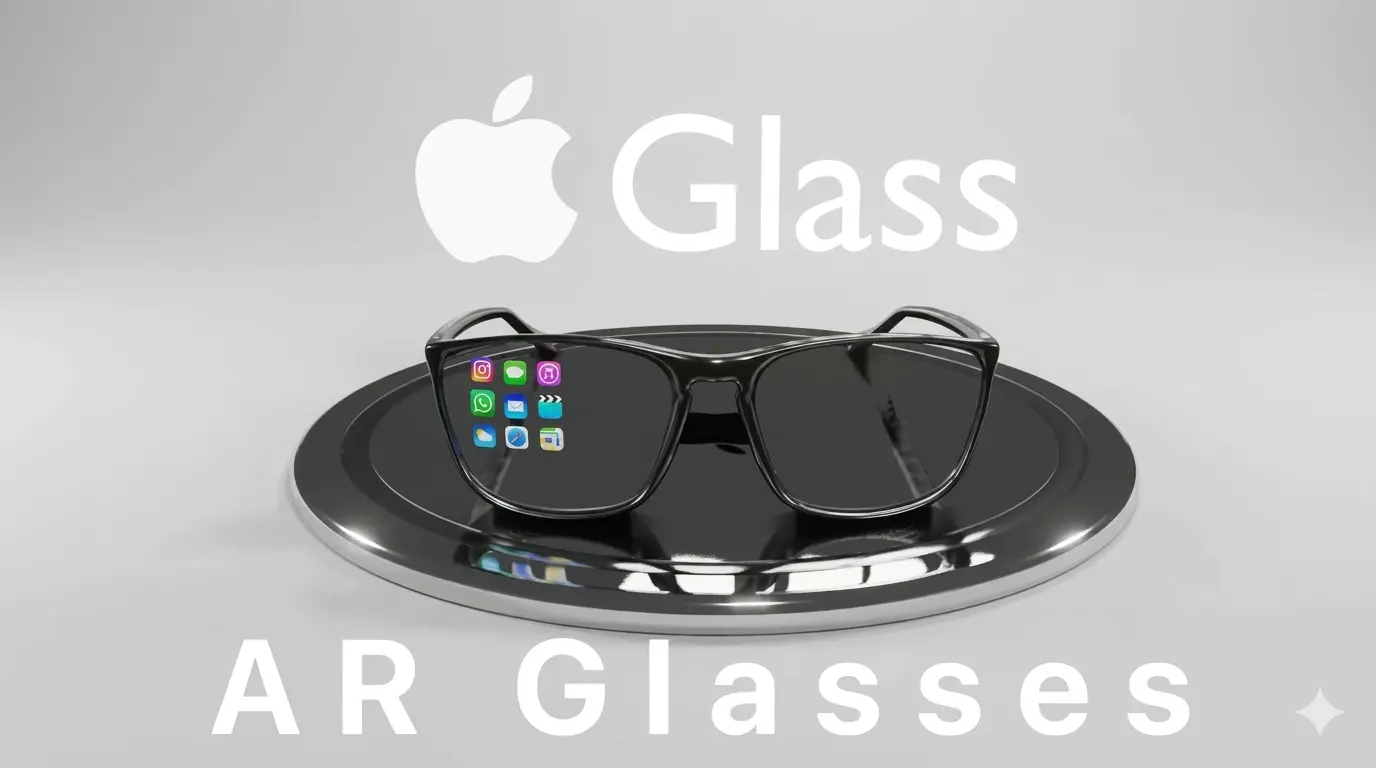
Apple’s upcoming smart glasses could potentially avoid one of the greatest challenges in this category—privacy concerns—by redesigning something as basic as the camera indicator light. According to recent reports, the company is exploring display-free smart glasses that focus on everyday usability, while also trying to make the device feel less intrusive than many current smart glasses on the market.
The device, reportedly codenamed N50, is expected to launch sometime between 2026 and 2027. Instead of functioning as a full augmented reality headset, these glasses may act more like an accessory for the iPhone. Key features could include photo and video capture, Siri voice commands, notifications, and media playback without needing a built-in display.
In my opinion, this simpler approach could make smart glasses more practical for daily use, especially for users who want helpful features without complicated visuals or bulky hardware.
A Small Hardware Change That Could Make a Big Difference
One of the most interesting aspects of Apple’s design is how it may handle recording visibility. Unlike many current smart glasses that rely on tiny LED indicators, Apple is reportedly testing a more noticeable lighting system built directly into the camera module.
The design is said to include vertically aligned lenses surrounded by visible lighting elements. This setup would make it much harder to record video or photos when the device is active secretly.
From my perspective, this type of visible indicator could help people feel more comfortable around smart glasses users, which is important if these devices are going to become common in public places.
Privacy Challenges That Still Affect Other Smart Glasses
Privacy concerns surrounding smart glasses are not just theoretical—they are already happening. Reports have shown that some users of Meta’s Ray-Ban smart glasses tried to bypass privacy safeguards. In certain cases, third-party sellers promoted accessories meant to reduce or block the recording indicator light.
Although many of these attempts do not work properly due to built-in protections, they highlight a larger issue. If people try to hide recording signals, public trust in the technology can quickly decline.
In my opinion, trust will be the most important factor in determining whether smart glasses become widely accepted or remain a niche product.
Even when these workarounds fail, the notion of misusing smart glasses contributes to their “creepy” reputation, causing people to hesitate in accepting them.
Apple’s Design-First Strategy To Build Trust
Instead of depending only on software rules, Apple appears to be focusing on solving privacy concerns directly through hardware design.
By making the recording light more visible and harder to hide, the company may reduce confusion about whether recordings are taking place. If this approach works as intended, it could make the glasses feel more transparent and less suspicious in social settings.
This strategy fits Apple’s typical product philosophy. The company often enters markets later than competitors but aims to improve the overall user experience and fix the problems that earlier devices faced.
Personally, I think this “solve problems first” strategy is one reason Apple products often gain strong user loyalty over time.
Part of a Bigger AI Wearables Plan
Apple’s smart glasses are reportedly part of a wider push into AI-powered wearable technology. These glasses may work alongside other devices, such as future AI-enabled AirPods and wearables designed to understand a user’s environment.
Using computer vision and AI technologies, these products could deliver valuable information like navigation assistance, reminders, or contextual alerts based on surroundings.
In my view, combining AI with wearable devices could change how people interact with technology, making it more natural and less dependent on screens.
This suggests Apple is not just building smart glasses but creating a connected ecosystem that integrates AI smoothly into everyday life.
What This Could Mean for Users
Smart glasses’ success will depend on their features and how users feel about wearing them in public. If Apple can design glasses that feel open, trustworthy, and easy to use, it may overcome one of the biggest barriers to adoption. At the same time, strong integration with the iPhone ecosystem could make the device useful for tasks like quick photos, notifications, and voice commands.
In my opinion, ease of use and privacy confidence will matter more than advanced features during the early stages of smart glasses adoption.
What Might Happen Next
Apple’s smart glasses are still under development, and current expectations suggest they will not launch before 2026 or 2027. Fully featured augmented reality glasses may take even longer, possibly arriving toward the end of the decade.
For now, Apple appears focused on perfecting the fundamentals—making sure the device works smoothly, feels comfortable, and most importantly, builds trust among users.
Overall, I believe that if Apple successfully addresses privacy concerns early, it could play a major role in shaping the future of smart glasses technology.


Tried 10betmexico.info for Liga MX bets. Odds were decent, but their customer support could be faster. Not awful, but room for improvement. Explore it yourself with 10betmexico.