Physical Address
304 North Cardinal St.
Dorchester Center, MA 02124
Physical Address
304 North Cardinal St.
Dorchester Center, MA 02124

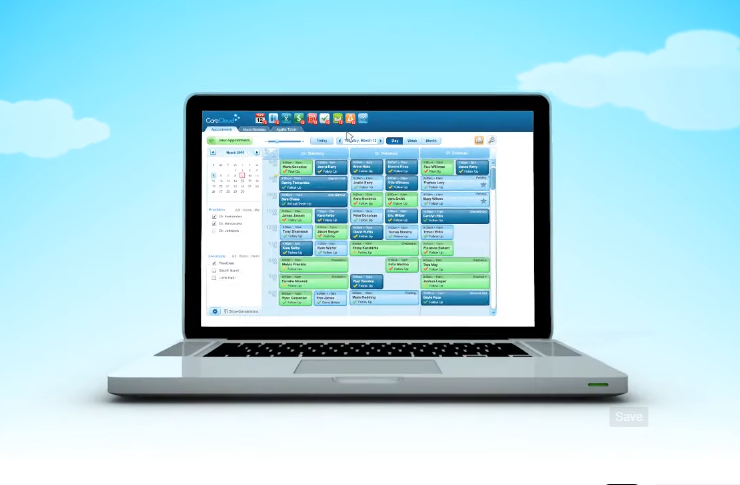
While it is not certain, experts have warned that the stolen health information could lead to identity theft and fraud, highlighting the need for strong security in CareCloud’s AWS-based systems. CareCloud, a healthcare technology provider that supports more than 45,000 medical professionals, has confirmed a major security breach in one of its electronic health records systems. The unauthorized access occurred on March 16 and lasted for more than eight hours. While it is not certain whether patient data was stolen, the incident has raised concerns about the security of healthcare information and the potential risk to millions of patients.
According to a document filed with the US Securities and Exchange Commission, attackers gained access to a system environment at CareCloud, which is used to store electronic health records. The breach was detected that day, and the company restored full system functionality within hours. CareCloud said the attackers are believed to have been removed, and the incident was limited to a single environment. The company did not confirm whether any data was compromised. Experts stress that the stolen health data could be used for identity theft, insurance fraud, and targeted phishing scams. Public records show that a large portion of CareCloud’s infrastructure relies on Amazon Web Services, highlighting the importance of tight security controls in cloud-based healthcare systems.
Healthcare records contain extensive personal information, including names, Social Security numbers, and medical histories. Unlike credit card information, medical data cannot be easily deleted or replaced. Previous incidents, such as the Change Healthcare ransomware attack, have shown how data breaches can disrupt healthcare services nationwide and delay patient treatment.
The vast scope of CareCloud, which serves millions of patients through thousands of providers, makes any data breach potentially serious. Cybercriminals actively seek healthcare data because it could be used to commit identity theft, file fraudulent insurance claims, or create highly specific scams. The magnitude of the potential impact makes this incident particularly significant for both patients and healthcare providers
According to Fox News, patients who are unaware of CareCloud could also be affected if their healthcare providers use the company’s services. Unauthorized access to health records could lead to fraudulent medical claims, unauthorized access to patient portals, and identity theft. Depending on the outcome of the ongoing investigation, it could take weeks or months for notifications to reach affected individuals.
Patients are advised to monitor their benefit statements, medical bills, and prescriptions for any unfamiliar entries. Early detection of unusual activity can help prevent further damage and allow for quick action if data is leaked.
There are several steps patients can take to protect themselves in the face of healthcare data leaks. Monitoring medical statements for unfamiliar charges is essential. Setting up an identity theft monitoring service can alert users if their personal information is being misused.
Strong and unique passwords and two-factor authentication for patient portals add an extra layer of security. Installing reliable antivirus software can help prevent malware attacks, while being vigilant about suspicious emails or phone calls can reduce the risk of phishing. Finally, data removal services can limit the availability of personal information on broker websites, which reduces the risk of exposure to fraudsters.
Patients should also be wary of unsolicited communications claiming to be from healthcare providers or insurance companies. Fraudsters often take advantage of this information vulnerability by asking for personal details via email, text message, or phone call, or by directing recipients to fraudulent websites. Verifying any requests directly with the provider using official contact information can help avoid further fraud and reduce the risk of further misuse of the information.