
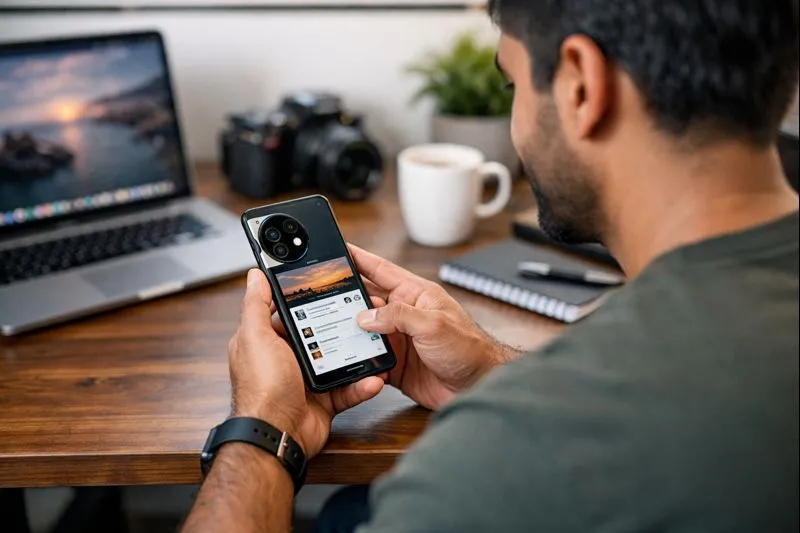
Author: Amal Ghosal
Published: January 2026
Introduction: Why I decided to use OnePlus phone
We all face the same problem before buying a smartphone—the gap between brand claims and actual experience. Reading YouTube reviews, Facebook posts, or sponsored articles often leads to confusion. I was no exception.
Over the past few years, I have used various Android phones—Samsung, Xiaomi, and even Google Pixel. But I have been curious about OnePlus for a long time. To find out how true the “Fast and Smooth” slogan is in reality, I decided to try out a OnePlus phone for 30 days.
I am not advertising any company in this article. Everything I am writing here is my own practical experience. I will openly discuss both the pros and cons so that you can decide whether OnePlus is right for you.
Which OnePlus model did I use, and why
I used the OnePlus 11 (5G). The reasons for choosing this model were
Snapdragon flagship processor
OxygenOS (near-stock Android)
Premium design but not too flashy
Mid-premium price range
I intentionally didn’t go for the newest or most expensive model, as most average users buy phones in this category.
First 7-day experience: Is speed really that different?
Real usage note:
During these 30 days, my average screen-on time was around 6.5–7 hours per day, mostly on Wi-Fi with 4G/5G used during office hours and travel. I did not reset the phone or clear the cache during this period to see real-world performance over time.
Performance
The most noticeable thing in the first week was speed.
Opening apps, multitasking, gaming—everything was smooth.
I used it daily:
Chrome (10–15 tabs)
Facebook, Instagram, LinkedIn
Lightroom and Photoshop Mobile
Occasionally, Call of Duty Mobile
I didn’t get any noticeable lag, even with heavy usage.
OxygenOS experience
OxygenOS is the biggest plus point for me.
No unnecessary pre-installed apps
UI is clean and distraction-free
Stock Android feel, but has useful extra features
After using Samsung OneUI, I found OxygenOS more practical.
After 5 days of use: Real talk about the camera and battery
Camera: How is it for a social media user?
Many people are skeptical about the OnePlus camera. My experience is mixed but honest.
Pros:
Daylight photography is very sharp
Natural color tone (no over-processing)
Portrait mode accurate edge detection
Cons:
While taking photos at a family dinner under warm indoor lighting, I noticed that skin tones sometimes appeared slightly dull compared to what I see with Pixel devices. Switching to Night Mode helped, but results were not always consistent shot-to-shot.
I took photos for Instagram, and I was satisfied 80% of the time.
If you do professional mobile photography, a Pixel or iPhone might be better.
But if you are a daily social media user, OnePlus is enough.
Battery Backup and Charging Experience
Battery usage pattern:
My daily usage included social media scrolling, photo editing, music streaming via Bluetooth, and occasional gaming. With 120Hz enabled and brightness set to auto, the phone consistently ended the day with 25–30% battery remaining.
OnePlus really impressed me in this area.
1.5 days of battery backup on normal use
A full day of heavy use easily
Fast charging is so fast that it becomes a habit
I often forget to charge at night. But getting a 70% charge in 20–25 minutes in the morning is a real-life lifesaver.
After 30 days: Things I liked
Here are the strong positives I would call after 30 days of use:
1. Smooth Performance (Long Term)
Many phones run well at first, then slow down.
The OnePlus performance was the same after 30 days.
2. Clean Software Experience
For those who want an ad-free, clutter-free Android, OxygenOS is a big plus.
3. Build Quality
The phone feels premium when you hold it in your hand.
I didn’t get any cheap vibration or loose button feel.
After 30 days: Things I didn’t like (Honest criticism)
1. Camera Consistency
Even if two photos are taken in the same lighting, the output may be different.
2. Price vs Competition
Some brands offer more features at the same price (bigger battery, better camera on paper)
3. Accessories Availability
It is relatively difficult to get original covers or accessories in Bangladesh.
Who is OnePlus good for and who is it not for?
Based on my past use of Samsung One UI and Google Pixel devices, OnePlus stands out mainly for software smoothness, while Pixel leads in computational photography, and Samsung excels in ecosystem features.
OnePlus is good for you if:
You want smooth performance
You like a clean Android experience
Gaming and daily use
Fast charging is your priority
OnePlus is not for you if:
The camera is your number one priority
The budget is too tight
You are used to the Samsung ecosystem
What I learned from 30 days of use
In these 30 days, I have understood three important things:
The spec sheet doesn’t tell everything
Practical experience is the real deal.
Software experience is more important in the long term
A clean OS means stress-free use.
There is no such thing as a perfect phone
But choosing the right phone is easy if you know your priorities.
My personal opinion: Would I buy OnePlus again?
Yes—I would buy OnePlus again if they:
Keep OxygenOS clean
Improve camera consistency a bit
OnePlus is still a brand that values user experience, not just marketing.
Conclusion
“What I learned from using a OnePlus phone for 30 days”—This experience has taught me to rethink that buying a phone is not just about the brand, but also about understanding the user’s habits.
If you want to make a decision based on real experience, then I hope this article will help you.
Author Bio
Amal Ghosal is a tech and digital marketing writer with over 5 years of hands-on experience reviewing smartphones, software tools, and digital trends. She has worked with international clients and regularly tests devices in real-life usage before publishing reviews. Her content focuses on honest user experience rather than promotional specifications.
1 thought on “30 Days with OnePlus: My Real-World Experience”